
GuidesGuide
Compounded tirzepatide: what the FDA says about legality and safety
The tirzepatide shortage ended in December 2024. What that means for compounded versions, what the FDA has seen go wrong and how they differ from Zepbound.
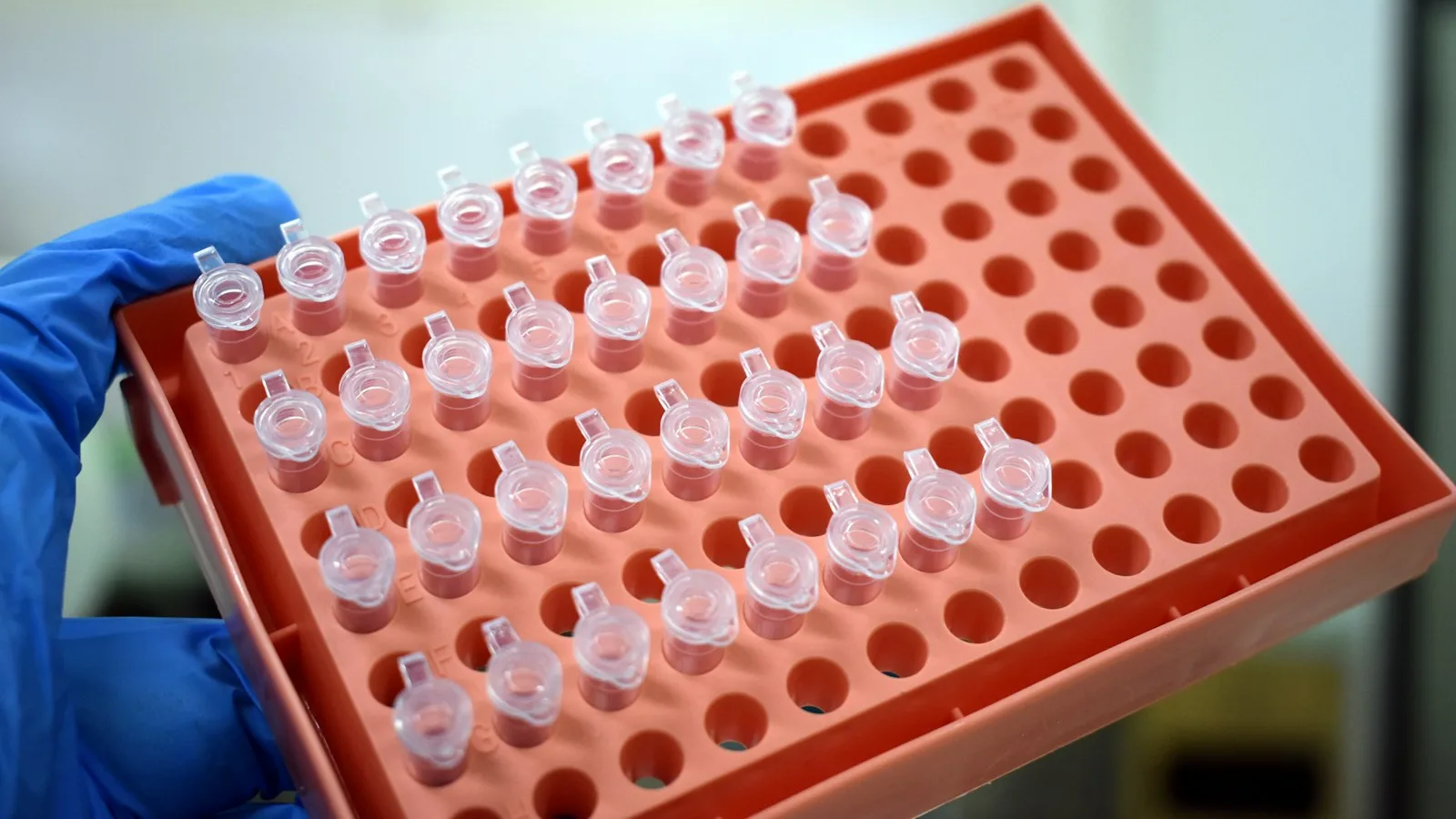
Photo by Eka P. Amdela on Unsplash
Updated November 15, 2026. FDA pages, court records and the Federal Register were checked that day.
Medical disclaimer: This is general information, not medical advice. Only a licensed clinician can decide whether a GLP-1 medicine fits you, and you shouldn’t start, stop or switch one based on this page.
Compounded tirzepatide is not FDA-approved, and the shortage that let pharmacies make wide copies of Mounjaro and Zepbound ended in December 2024. Compounding hasn’t been banned outright, but the room to do it is now narrow, and the FDA keeps reporting problems with dosing, add-in ingredients and fake products.
This page sums up what the FDA, the courts and researchers have actually said. It isn’t a buying guide. We don’t rank, link to or recommend compounded sellers. If you want the same rundown for semaglutide, see what the FDA says about compounded semaglutide.
The short answer
- Not approved: The FDA doesn’t review compounded drugs for safety, effectiveness or quality before they’re sold (FDA).
- Shortage over: The FDA declared the tirzepatide injection shortage resolved on December 19, 2024. The grace periods for compounders ended in early 2025 (FDA).
- Upheld in court: On August 27, 2026, a federal appeals court affirmed the ruling for the FDA in the compounders’ challenge to that decision (Fifth Circuit opinion).
- Narrow use only: The FDA says compounded drugs should only be used when a patient’s medical needs can’t be met by an FDA-approved drug (FDA).
- Problems reported: As of May 31, 2026, the FDA had received more than 730 adverse event reports tied to compounded tirzepatide, and it says the true number is likely higher (FDA).
Compounded tirzepatide vs Mounjaro and Zepbound
Tirzepatide is the active ingredient in two FDA-approved drugs from Eli Lilly: Mounjaro, approved in 2022, and Zepbound, approved in 2023 (FDA). Our Mounjaro vs Zepbound comparison explains how the two labels differ.
Compounded tirzepatide is mixed by a pharmacy or outsourcing facility instead of the drug’s maker. It skips the FDA’s review, so the agency hasn’t checked its safety, effectiveness or quality before it’s sold (FDA). It also isn’t a generic. Generics are FDA-approved before they’re sold, and compounded drugs aren’t (FDA, March 3, 2026).
Zepbound’s label lists set strengths in milligrams for each form: single-dose pens, single-dose vials, multi-dose vials and a KwikPen that holds four doses (Zepbound prescribing information). Compounded products don’t have to follow those strengths or forms. If you’re curious how the approved drug works in the body, the sister site explains how Zepbound works.
How the tirzepatide shortage ended
Tirzepatide injection went on the FDA’s shortage list on December 15, 2022 (FDA declaratory order). While a drug is in shortage, federal law gives compounders more room to make copies. Here’s how that room closed:
| Date | What happened |
|---|---|
| October 2, 2024 | The FDA said the tirzepatide shortage was resolved (FDA) |
| October 2024 | A compounders’ trade group sued, and the court sent the decision back to the FDA for another look (FDA declaratory order) |
| December 19, 2024 | After reevaluating, the FDA issued a new decision that the shortage was resolved (FDA declaratory order) |
| March 5, 2025 | A federal court in Texas denied the compounders’ request for a preliminary injunction, which ended the grace period for 503A pharmacies (FDA) |
| March 19, 2025 | The grace period for 503B outsourcing facilities ended (FDA) |
| August 27, 2026 | The Fifth Circuit affirmed the judgment for the FDA and Lilly (Fifth Circuit opinion) |
In its December 2024 order, the FDA said Lilly’s supply was meeting or exceeding demand and that Lilly had built up reserves. It also said some people might still have trouble at their local pharmacy because of supply-chain hiccups, which isn’t the same as a national shortage (FDA declaratory order).
The appeals court found that the FDA “engaged in reasoned decision-making” and explained why it credited Lilly’s supply data over the compounders’ evidence (Fifth Circuit opinion).
What’s still allowed: 503A and 503B
Two sections of federal drug law cover two kinds of compounders.
503A pharmacies are state-licensed pharmacies and physicians that compound for an individual patient with a prescription. They can’t regularly compound, or compound in large amounts, drugs that are “essentially copies” of a drug you can buy (FDA).
The FDA generally treats a compounded drug as a copy if it has the same active ingredient in the same, similar or easily substitutable strength, given the same way. The exception is when a prescriber decides and documents that a change makes a significant difference for a specific patient. The FDA has also said it doesn’t intend to act against a compounder that fills four or fewer prescriptions of a copy in a calendar month (FDA).
503B outsourcing facilities generally can’t compound from bulk ingredients unless the ingredient is on a “clinical need” list or the drug is on the shortage list. On April 1, 2026, the FDA said tirzepatide is on neither (FDA).
On April 30, 2026, the FDA proposed keeping tirzepatide, semaglutide and liraglutide off that 503B list because it found no clinical need (FDA press release). The notice ran in the Federal Register on May 1, 2026, and the comment period was later extended to July 30, 2026 (Federal Register; extension). When we checked the Federal Register on November 15, 2026, there was no final decision yet.
Add-ins like B12 and niacinamide
A lot of compounded tirzepatide is sold mixed with something else, often vitamin B12. Adding an ingredient doesn’t automatically make a product different enough to escape the copy rules. In its April 2026 update, the FDA gave the example of semaglutide combined with B12: it can still count as a copy when both amounts are within 10% of products already on the market (FDA).
Mixing ingredients can also create new chemistry. A 2026 study in Expert Opinion on Drug Safety tested compounded tirzepatide-B12 products obtained from several sources in the U.S. market and found a widespread impurity formed by a reaction between tirzepatide and certain forms of B12. The authors said the impurity’s effects on the body are unknown (Jordan et al., 2026). All five authors work for Eli Lilly, which makes Mounjaro and Zepbound, so read it with that in mind (PubMed).

What the FDA and researchers have seen go wrong
Adverse event reports. As of May 31, 2026, the FDA had more than 730 reports of adverse events linked to compounded tirzepatide. State-licensed pharmacies that aren’t outsourcing facilities don’t have to report these to the FDA, so the agency says they’re likely underreported. It also says it can’t always tell whether the drug caused a given problem, and many reports look like the known side effects of the approved drugs (FDA).
Doses beyond the label. The FDA has received reports of problems in people prescribed compounded tirzepatide or semaglutide at higher doses than the approved labels, more often, or raised faster than the labels call for. Some were serious, and some people sought medical care for nausea, vomiting, diarrhea, stomach pain or constipation (FDA).
Vials and measuring. Compounded GLP-1s often come in multiple-dose vials. The FDA recommends throwing a vial away 28 days after first use, even if medicine is left, and using a new sterile needle and syringe for every dose (FDA). With compounded semaglutide, the FDA has documented people drawing up five to 20 times their intended dose, partly because of confusion between milligrams, milliliters and “units” (FDA dosing errors alert).
Shipping. The FDA has complaints about compounded GLP-1s arriving warm or with too little ice, and recommends not using an injectable GLP-1 that arrives that way (FDA). Our guide to what to do if a GLP-1 arrives warm covers what to check, and the sister site explains how Zepbound should be stored.
Fakes and “research” products. The FDA knows of fraudulent compounded tirzepatide with false labels, sometimes naming pharmacies that don’t exist or didn’t make the product. It received one adverse event report, with redness, swelling, pain and a red lump at the injection site, for a product labeled as compounded tirzepatide from a pharmacy that didn’t actually make it. The FDA has also warned companies selling tirzepatide labeled “for research purposes” or “not for human consumption” to consumers with dosing instructions (FDA).
What adverse event data show. A study of the FDA’s adverse event database from 2018 to 2024 found 707 reports involving compounded GLP-1s out of 81,078 GLP-1 reports. Compared with brand-name products, compounded ones had higher reporting odds of preparation errors, contamination, manufacturing problems and hospitalization, though lower odds of reported dosing and administration errors (McCall et al., 2026). That kind of data shows patterns in reports, not proof that one product causes more harm.
Recent recalls and warnings
October 2026 recalls. FDA Enforcement Reports dated October 14 and October 21, 2026, list Class II recalls of compounded tirzepatide injections from three compounding pharmacies, all for lack of assurance of sterility. Some of the recalled products combined tirzepatide with B12 or niacinamide (FDA Enforcement Report). Class II means the product may cause temporary or medically reversible health problems, or the chance of serious harm is remote (FDA recall definitions). These are compounded products, not Mounjaro or Zepbound.
February 2026 statement. The FDA said it intends to restrict GLP-1 ingredients used in non-approved compounded drugs that are mass-marketed as alternatives to approved ones. It also said companies can’t claim compounded products are generics, the same as approved drugs, or clinically proven to work (FDA, February 6, 2026).
Warning letters. On March 3, 2026, the FDA announced 30 warning letters to telehealth companies over false or misleading claims about compounded GLP-1s (FDA, March 3, 2026). Its guidance for telehealth companies also calls out claims that a compounded drug comes from an “FDA-approved” pharmacy. The FDA doesn’t approve pharmacies (FDA).
How many people use compounded GLP-1s
A CDC report published November 12, 2026, surveyed U.S. adults in July and August 2025. About 1 in 10 had used a GLP-1 in the past year. Of those users, 22.6% said they took a compounded version, and another 8.8% didn’t know whether theirs was compounded (CDC MMWR).
People on compounded versions were more likely to change how they took their medicine than people who weren’t, 62% vs 36%. Across all users, skipping doses was the most common change, and cost and availability were often cited as reasons. The survey is self-reported and covers all GLP-1s, not tirzepatide alone (CDC MMWR).
If you’re on compounded tirzepatide now
We can’t tell you whether to keep using it, stop or switch. That’s a decision for you and your prescriber. Here’s what the FDA itself suggests:
- Get a prescription from your clinician and fill it at a state-licensed pharmacy. The FDA’s BeSafeRx page explains how to check an online pharmacy (FDA).
- If you have questions about the label or how to use the product, contact the compounder or the telehealth company that sold it, and talk to your doctor (FDA).
- Report side effects or quality problems to FDA MedWatch.
The FDA’s consumer red flags include claims that a compounded drug is the same as an approved one, prices that seem too good to be true, medicine that looks different from before, and no licensed clinician to screen you or answer questions (FDA). Our guide to filling a GLP-1 prescription safely walks through those checks.
If cost is why you looked at compounding, our GLP-1 cost and pricing guide and how Wegovy and Zepbound self-pay works cover the makers’ own cash programs for approved drugs. Our list of pharmacies for brand-name GLP-1s and our telehealth rankings only include paths to FDA-approved medicine, and our methodology explains why. Before paying any telehealth company, read what telehealth prices leave out.
Keep reading
- What the FDA says about compounded semaglutide and tirzepatide
- How to fill a GLP-1 prescription safely
- Mounjaro vs Zepbound: same drug, different labels and prices
- Is there a generic Zepbound? What the FDA says about tirzepatide
- The best FDA-approved GLP-1 drugs, ranked
- GLP-1 cost and pricing guide
- On glp1userguide.com: what GLP-1 medications are, how Zepbound works, the Zepbound injection guide and whether Zepbound needs to be refrigerated