
NewsNews
FDA adds an eye warning to every GLP-1: what it means for you
The FDA now requires a NAION vision-loss warning on all GLP-1 drugs. What the data show, the symptoms to know, and why it doesn't reorder the rankings.
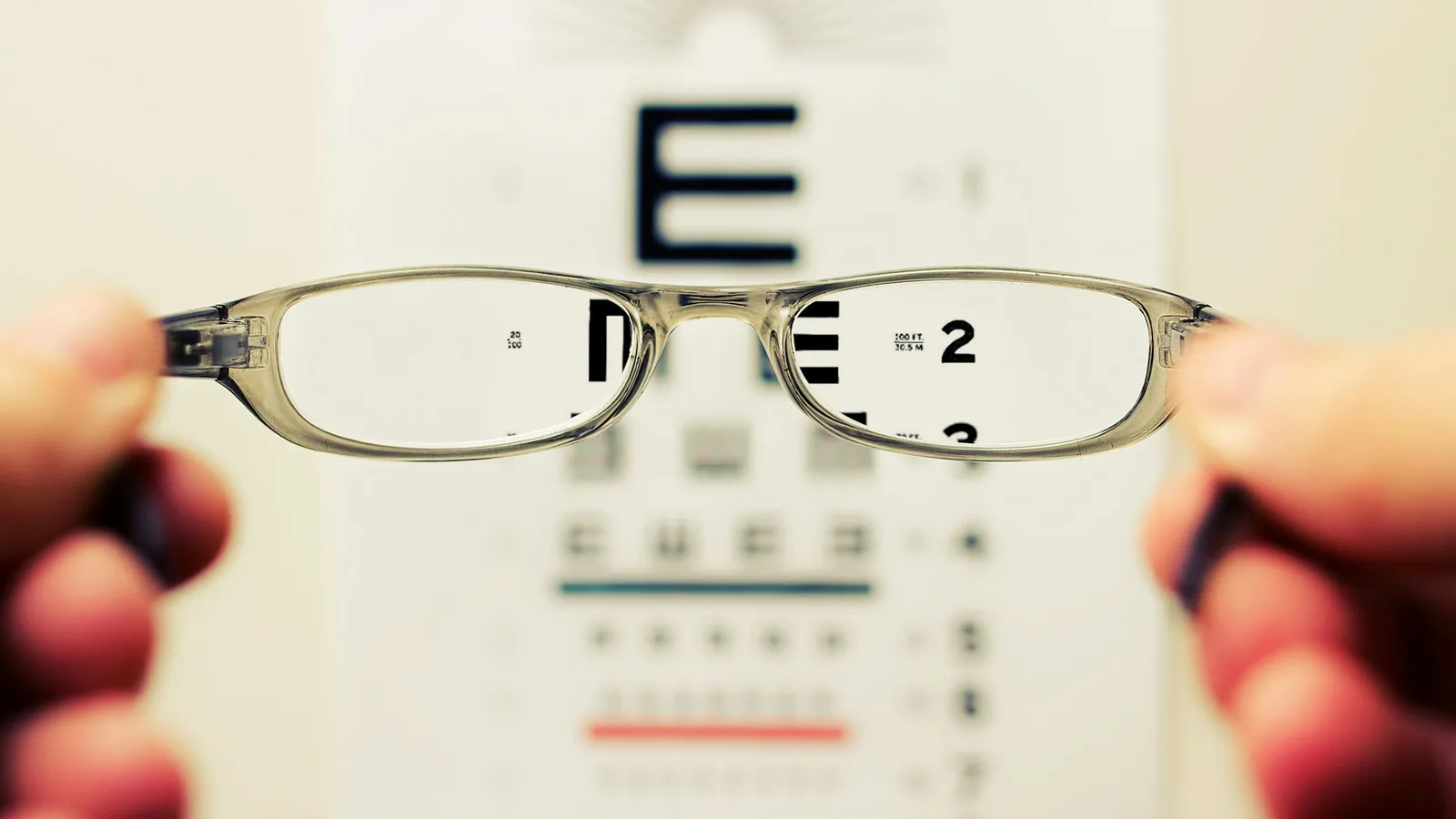
Photo by David Travis on Unsplash
Updated November 10, 2026.
Medical disclaimer: This is general information, not medical advice. Don’t start, stop or change a GLP-1 medicine based on this page. If you notice sudden vision changes, contact a health care professional right away.
On November 9, 2026, the FDA said it will require every GLP-1 medicine to carry a new warning about a rare eye condition called NAION. The warning goes in the Warnings and Precautions section of each drug’s label (FDA).
NAION stands for non-arteritic anterior ischemic optic neuropathy. It’s caused by reduced blood flow to the front of the optic nerve, and it can cause sudden, painless vision loss in one eye that may be permanent (same source). Here’s what the FDA found, what to watch for, and what it means if you’re comparing GLP-1s.
The short answer
- It applies to the whole class. The FDA is requiring the warning on all GLP-1 receptor agonists, including Ozempic, Wegovy, Rybelsus, Mounjaro, Zepbound, Trulicity, Victoza, Saxenda and Foundayo (FDA).
- The risk is rare and described as “potential.” In the FDA’s pooled analysis of clinical trials, NAION showed up at 6.4 cases per 100,000 person-years on GLP-1s, compared with 3.8 on placebo or other diabetes drugs (same source).
- Cause and effect isn’t settled. CNBC reported that a causal relationship hasn’t been established, and Novo Nordisk said it believes the data don’t show cause and effect (CNBC).
- It doesn’t change how the drugs rank against each other. Because every GLP-1 gets the same warning, it doesn’t make one a safer pick than another.
What the FDA is requiring
The FDA is telling the companies that hold approvals for all GLP-1 medicines to add information about the potential increased risk of NAION to the Warnings and Precautions section of their labels (FDA).
That’s a step below a boxed warning, which is the FDA’s strongest label warning. Many GLP-1s already carry a boxed warning about thyroid C-cell tumors seen in rodent studies (CNBC). The NAION warning is a new, separate entry.
Updated labels can take time to appear. Until they do, the FDA’s safety communication is the best place to read the details.
Which drugs it covers
The FDA’s list of approved GLP-1 medicines (FDA):
| Brand | Active ingredient | Approved |
|---|---|---|
| Byetta (generic exenatide now) | exenatide | 2005 |
| Victoza | liraglutide | 2010 |
| Trulicity | dulaglutide | 2014 |
| Saxenda | liraglutide | 2014 |
| Xultophy | liraglutide + insulin degludec | 2016 |
| Soliqua | lixisenatide + insulin glargine | 2016 |
| Ozempic | semaglutide | 2017 |
| Rybelsus | semaglutide | 2019 |
| Wegovy | semaglutide | 2021 |
| Mounjaro | tirzepatide | 2022 |
| Zepbound | tirzepatide | 2023 |
| Foundayo | orforglipron | 2026 |
The FDA notes that the Byetta brand was withdrawn because it was no longer marketed (not for safety reasons), and only generic exenatide is sold now. Tirzepatide acts on both GIP and GLP-1 receptors, and it’s included (same source).
The FDA also says NAION cases have been reported for every GLP-1 product currently on the market.
What the FDA found
The FDA looked into this after a July 2024 study in JAMA Ophthalmology by Hathaway and colleagues, which found a higher rate of NAION among patients prescribed semaglutide at one academic eye center (JAMA Ophthalmology, via PMC). The FDA said that study had several limitations but warranted a closer look (FDA).
Here’s what the FDA’s own review turned up (all from the FDA communication):
- Clinical trials. The FDA pooled 126 randomized trials with 134,253 patients. It found 15 probable NAION cases: 10 in people on a GLP-1 and 5 on placebo. That works out to 6.4 cases per 100,000 person-years on GLP-1s versus 3.8 for comparison groups.
- Real-world data. In an FDA study of adults with type 2 diabetes who started a drug between 2019 and 2024, NAION rates were similar for GLP-1s and SGLT-2 inhibitors (the difference wasn’t statistically significant). Compared with DPP-4 inhibitors, GLP-1 users had a higher risk.
- Published studies. The FDA said well-designed observational studies consistently found a higher NAION risk in people with type 2 diabetes who started a GLP-1, compared with those who started a DPP-4 or SGLT-2 inhibitor.
- Animal data. The FDA’s review didn’t find a biological mechanism that would explain the link.
- Adverse event reports. These were hard to interpret, the FDA said, because NAION risk factors overlap with conditions common among people taking GLP-1s.
A “person-year” is one person followed for one year. So the trial numbers mean about 2.6 extra cases for every 100,000 years of GLP-1 use. For context, the FDA cites published estimates of 2.3 to 10.2 NAION cases per 100,000 people a year in adults over 50.
Symptoms the FDA says to watch for
The FDA lists these NAION symptoms (FDA):
- Sudden, painless vision loss in one eye, which you might notice when you wake up
- Blurred or missing parts of your vision, such as blind spots or tunnel vision
- Colors that look off
- Less sharp central vision, like blurry or hazy spots
The FDA says to contact your health care professional right away if you have any of these. It tells clinicians to send patients with suspected NAION to an ophthalmologist promptly.
Who the FDA says may be at higher risk
The FDA says the underlying cause of NAION isn’t fully understood. Risk factors may include (FDA):
- Smoking
- Diabetes
- High blood pressure
- Sleep apnea
- Anemia
- Kidney disease
People who’ve already had NAION are at higher risk of it happening again, and NAION in one eye raises the risk in the other eye. If you’ve had NAION, the FDA says to talk with your health care professional about whether to continue or stop your GLP-1. For clinicians, the FDA says to consider stopping the drug in patients who develop NAION unless the benefits clearly outweigh the risk (same source).
Several of those risk factors, like diabetes and sleep apnea, are also reasons people are prescribed a GLP-1. That’s part of why the FDA found this hard to untangle.
What it means for comparing GLP-1s
On this site we compare FDA-approved GLP-1s on evidence, price, access and safety. A class-wide warning like this one doesn’t move any drug up or down against the others. The FDA applied it to every GLP-1, and it hasn’t said the risk is higher for one drug than another.
What does change is the safety conversation for all of them. If you have NAION risk factors or a history of NAION, that’s now something to raise with your prescriber no matter which drug you’re considering. Switching from one GLP-1 to another doesn’t avoid this warning.
A few things stay the same:
- Buy the approved drug. Compounded and unapproved GLP-1s skip the FDA review behind these label warnings. Our guide to filling a GLP-1 prescription safely shows how to check a pharmacy, and our compounded semaglutide explainer covers the FDA’s concerns.
- Read the Medication Guide. It comes with every prescription. Ask your pharmacist or prescriber about anything in it that’s unclear.
- Report problems. You or your clinician can report side effects to the FDA’s MedWatch program or by calling 1-800-332-1088.
Questions to ask your clinician
- Do I have any NAION risk factors, like sleep apnea, high blood pressure, anemia or kidney disease?
- Should I have an eye exam before starting, or while I’m on a GLP-1?
- I’ve had NAION or another optic nerve problem before. How does that change things for me?
- Which vision changes mean I should call you right away?
- How do the benefits of my GLP-1 compare with this risk for me specifically?
Keep reading
- Best FDA-approved GLP-1 drugs, ranked
- Ozempic vs Wegovy
- Wegovy vs Zepbound
- Mounjaro vs Zepbound
- How to fill a GLP-1 prescription safely
- On our sister site: GLP-1 side effects and What are GLP-1 medications?
Sources
- FDA Drug Safety Communication, “FDA Requires Safety Labeling Changes for Glucagon-Like Peptide-1 Receptor Agonists (GLP-1 RAs) Due to Potential Increased Risk of Rare But Serious Eye Condition” (Nov. 9, 2026): https://www.fda.gov/drugs/drug-safety-communications/fda-requires-safety-labeling-changes-glucagon-peptide-1-receptor-agonists-glp-1-ras-due-potential
- CNBC, “FDA warns of vision loss risk linked to popular GLP-1 drugs like Wegovy, Zepbound” (Nov. 10, 2026): https://www.cnbc.com/2026/11/10/fda-warning-vision-loss-glp1-wegovy-zepbound.html
- Hathaway JT, et al., “Risk of Nonarteritic Anterior Ischemic Optic Neuropathy in Patients Prescribed Semaglutide,” JAMA Ophthalmol. 2024;142(8):732-739: https://pmc.ncbi.nlm.nih.gov/articles/PMC11223051/
- FDA, MedWatch: The FDA Safety Information and Adverse Event Reporting Program: https://www.fda.gov/safety/medwatch-fda-safety-information-and-adverse-event-reporting-program