
RankingsComparison
Ozempic vs Wegovy: same drug, different labels and prices
Ozempic and Wegovy both contain semaglutide. Compare FDA-approved uses, doses, key trials, and Novo Nordisk list and self-pay prices. Not medical advice.
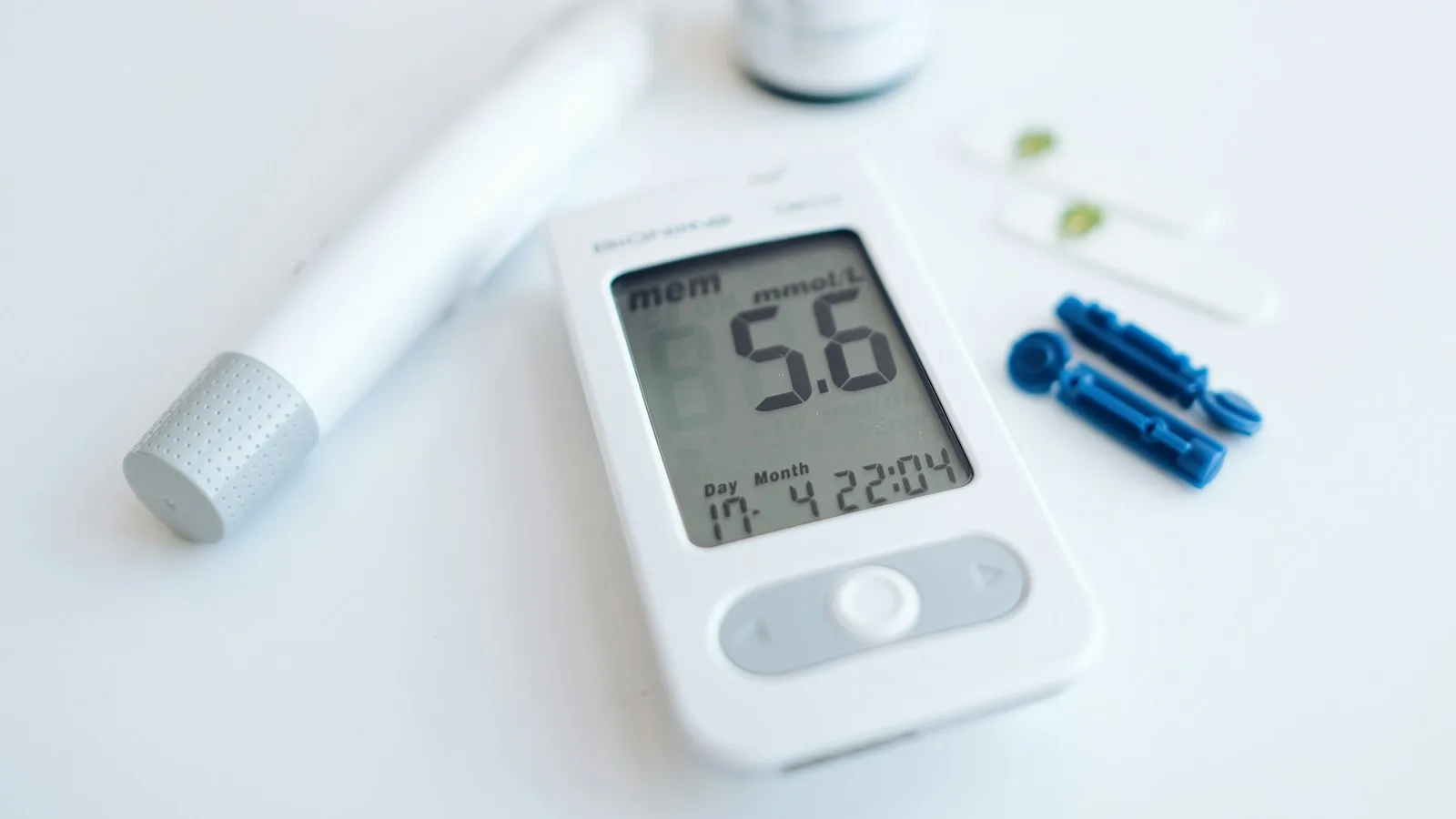
Hero photo by Jane Korsak on Unsplash
Updated October 28, 2026.
Medical disclaimer: This is general information, not medical advice. Only your clinician can decide whether either medicine fits you.
Ozempic and Wegovy contain the same active ingredient, semaglutide, and both come from Novo Nordisk. The difference is what the FDA approved each one to do, the doses each label allows, and what you pay.
Ozempic is approved for adults with type 2 diabetes. Wegovy is approved for weight reduction and long-term weight maintenance, plus heart-risk reduction and a liver indication. That split drives everything else, including insurance coverage.
Snapshot
| Ozempic (semaglutide) | Wegovy (semaglutide) | |
|---|---|---|
| Main FDA use | Blood sugar control in adults with type 2 diabetes | Weight reduction and long-term maintenance |
| Other labeled uses | Lower risk of major heart events in adults with type 2 diabetes and established heart disease; lower risk of kidney decline, kidney failure and heart death in adults with type 2 diabetes and chronic kidney disease | Lower risk of major heart events in adults with established heart disease and obesity or overweight; MASH with moderate to advanced liver fibrosis (accelerated approval) |
| Ages | Adults | Injection: adults and ages 12+ with obesity; tablets: adults |
| Weekly injection doses | 0.25 mg start, then 0.5, 1 or 2 mg | 0.25 mg start, titrated to 1.7 or 2.4 mg, plus a 7.2 mg (Wegovy HD) pen |
| Daily tablet option | Ozempic tablets (1.5, 4 and 9 mg listed) | Wegovy tablets (25 mg maintenance) |
| List price (WAC) | $1,027.51 per package | $1,349.02 per package |
Sources: Ozempic label on DailyMed, Wegovy label (FDA, 2026), Ozempic pricing (Novo Nordisk), Wegovy pricing (Novo Nordisk). Prices are manufacturer-reported list prices, checked October 28, 2026.
What the FDA labels say
The Ozempic injection label lists three uses, all in adults with type 2 diabetes: improving blood sugar alongside diet and exercise, lowering the risk of major heart events in people with established heart disease, and lowering the risk of kidney decline, kidney failure and heart death in people with chronic kidney disease (Ozempic label).
The Wegovy label is built around weight. The injection is indicated, with a reduced-calorie diet and more physical activity, to reduce excess body weight and keep it off long term in adults and children 12 and older with obesity, and in adults with overweight plus at least one weight-related condition (Wegovy label).
Wegovy also carries a heart-risk indication for adults with established heart disease and obesity or overweight, and an accelerated-approval indication for noncirrhotic MASH with moderate to advanced fibrosis. Continued approval for MASH may depend on a confirmatory trial, per the label.
The Wegovy label also says not to combine it with other semaglutide products or any other GLP-1 medicine. In practice, that means Ozempic and Wegovy are alternatives, never a pair.
Doses and forms
Both injections are once weekly and both start at 0.25 mg, then step up every four weeks. Ozempic’s label tops out at 2 mg per week. Wegovy’s usual maintenance dose is 2.4 mg, with 1.7 mg as an option and a higher-dose 7.2 mg pen sold as Wegovy HD (Wegovy label).
Both brands now have daily tablet forms, listed on Novo Nordisk’s pricing pages. The labels give separate instructions for switching between forms and doses, so any switch is a prescribing decision. For what a typical titration feels like week by week, see the sister site’s Wegovy dosing schedule guide.

The trials behind each label
These are the peer-reviewed trials most often tied to each label. None compares Ozempic with Wegovy, because they are the same molecule aimed at different groups.
- SUSTAIN-6 (Ozempic, heart outcomes): In adults with type 2 diabetes at high heart risk, the main heart outcome occurred in 6.6% on semaglutide vs 8.9% on placebo (NEJM 2016, PubMed 27633186).
- FLOW (Ozempic, kidney outcomes): In adults with type 2 diabetes and chronic kidney disease, the risk of the main kidney outcome was 24% lower with semaglutide than placebo (NEJM 2024, PubMed 38785209).
- STEP 1 (Wegovy, weight): In adults with overweight or obesity and no diabetes, mean weight change at 68 weeks was -14.9% with semaglutide 2.4 mg vs -2.4% with placebo (NEJM 2021, PubMed 33567185).
- SELECT (Wegovy, heart outcomes): In adults with heart disease and overweight or obesity but no diabetes, a major heart event occurred in 6.5% on semaglutide vs 8.0% on placebo (NEJM 2023, PubMed 37952131).
Trial averages describe groups, not what any one person will see.
Price paths
List price is the manufacturer’s price to wholesalers, not what most people pay at the counter. Novo Nordisk lists Ozempic at $1,027.51 per package and Wegovy at $1,349.02 per package (Ozempic pricing, Wegovy pricing).
Novo Nordisk’s own self-pay offers, as published on October 28, 2026:
- Ozempic: People new to the offer pay $199 a month for the 0.25 mg and 0.5 mg doses for two monthly fills through December 31, 2026, then $349 a month for 0.25, 0.5 or 1 mg and $499 a month for 2 mg. With commercial insurance, the savings offer can bring the cost to as little as $25, with a $100 monthly cap, and government beneficiaries are excluded (Ozempic savings).
- Wegovy: A limited-time intro offer is $199 a month for the first two months at 0.25 mg or 0.5 mg, then $349 a month for doses up to 2.4 mg and $399 a month for Wegovy HD 7.2 mg. Self-pay for the tablets starts at $149 a month for the 1.5 mg dose. With commercial insurance, the savings card lists as little as $25 a month (Wegovy what to pay).
Insurance usually follows the label. Plans that cover diabetes drugs may treat Ozempic differently from a weight-management drug like Wegovy, so check your plan’s formulary. Our GLP-1 cost and pricing guide has the full price tables.

Questions to bring to a clinician
This isn’t a recommendation, just prompts for a conversation with your own prescriber:
- Is my main goal blood sugar control for type 2 diabetes, weight management, or both?
- Do I have heart disease or chronic kidney disease that one label specifically addresses?
- Which product does my insurance cover for my diagnosis, and is a self-pay program cheaper for me?
- Would a weekly injection or a daily tablet suit my routine better?
Safety themes both labels share
Because both are semaglutide, both carry a boxed warning about thyroid C-cell tumors seen in rodents, and both are contraindicated in people with a personal or family history of medullary thyroid carcinoma or MEN 2 (Wegovy label, Ozempic label). Stomach and gut side effects are the most common. Read the Medication Guide that comes with the product.
In November 2026 the FDA also required a new warning on all GLP-1s, Ozempic and Wegovy included, about a rare optic nerve condition called NAION. Our explainer on the GLP-1 eye warning covers what the FDA found and the symptoms to know.
Only buy FDA-approved semaglutide through a licensed pharmacy with a valid prescription. The FDA has warned about unapproved and compounded GLP-1 products sold for weight loss (FDA), and our guide to filling a GLP-1 prescription safely covers how to check a pharmacy.
Keep reading
- Foundayo vs Wegovy: two weight-loss pills and a weekly shot compared
- Phentermine vs Ozempic: cost, access and evidence compared
- Rybelsus vs Ozempic: daily pill vs weekly shot, and the Ozempic pill
- Mounjaro vs Ozempic: tirzepatide vs semaglutide for type 2 diabetes
- Ozempic vs Zepbound: semaglutide vs tirzepatide for diabetes and weight
- Wegovy pill vs injection: results, dosing and cost compared
- Wegovy vs Zepbound: labels, evidence, and price paths
- Best FDA-approved GLP-1 drugs ranked
- GLP-1 cost and pricing guide
- On glp1userguide.com: What GLP-1 medications are, the Wegovy dosing schedule, and managing nausea on a GLP-1